
Protein is often treated like a problem to solve,especially when plants are on the plate. But despite the noise, getting enough protein from plant foods is not only possible, it's been happening quietly for generations.
Long before protein powders, macro tracking, or "high-protein" labels, people around the world built strong, healthy diets from beans, grains, vegetables, nuts, seeds, oils, and herbs.
This guide cuts through the myths and marketing to explain how plant protein actually works, how much you really need, and how to meet those needs without overcomplicating your meals.
Whether you're fully plant-based, plant-curious, or just trying to eat better, you'll find clear, evidence-based answers,and a simpler way to think about protein that actually fits real life.
What Is Plant Protein?
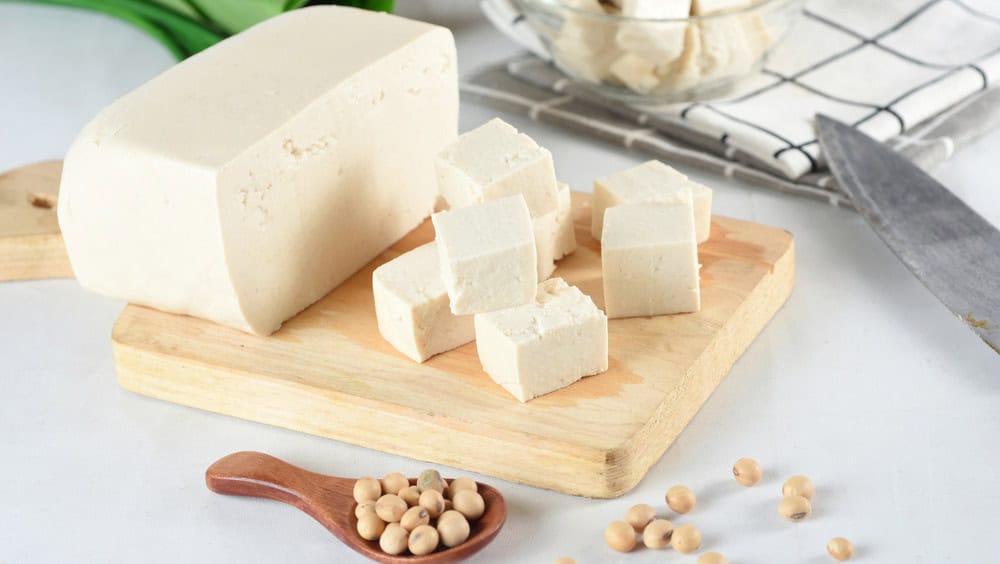
Protein is one of your body's three macronutrients (alongside carbohydrates and fat). Think of it as the building and repair material your body uses every day: for muscles, skin, hair, hormones, enzymes, and immune defenses.
Proteins are made from smaller units called amino acids: often described as "building blocks." Your body breaks down the protein you eat into amino acids, then reassembles them into the specific proteins you need.
There are 20 amino acids commonly used in human proteins. Your body can make many of them on its own: these are non-essential amino acids (not because they're unimportant, but because you don't have to get them from food). The ones your body cannot make are called essential amino acids, you must get them through your diet.
This is where the "complete protein" idea can confuse people. A complete protein is simply a food that contains all nine essential amino acids in meaningful amounts. Many animal foods qualify, and some plant foods do too (notably soy foods and quinoa). But here's the key: you do not need to perfectly combine plant proteins in the same meal to "make" a complete protein.
Your body maintains amino acid pools and can assemble the proteins it needs as long as your overall diet, across the day,includes a variety of plant foods. In practice, eating legumes, grains, nuts/seeds, and vegetables across meals covers your bases.
Bottom line: plant protein "works" because your body needs amino acids, not animal foods, and a varied plant-based pattern reliably provides them, while aligning with people-first, trustworthy nutrition content principles.
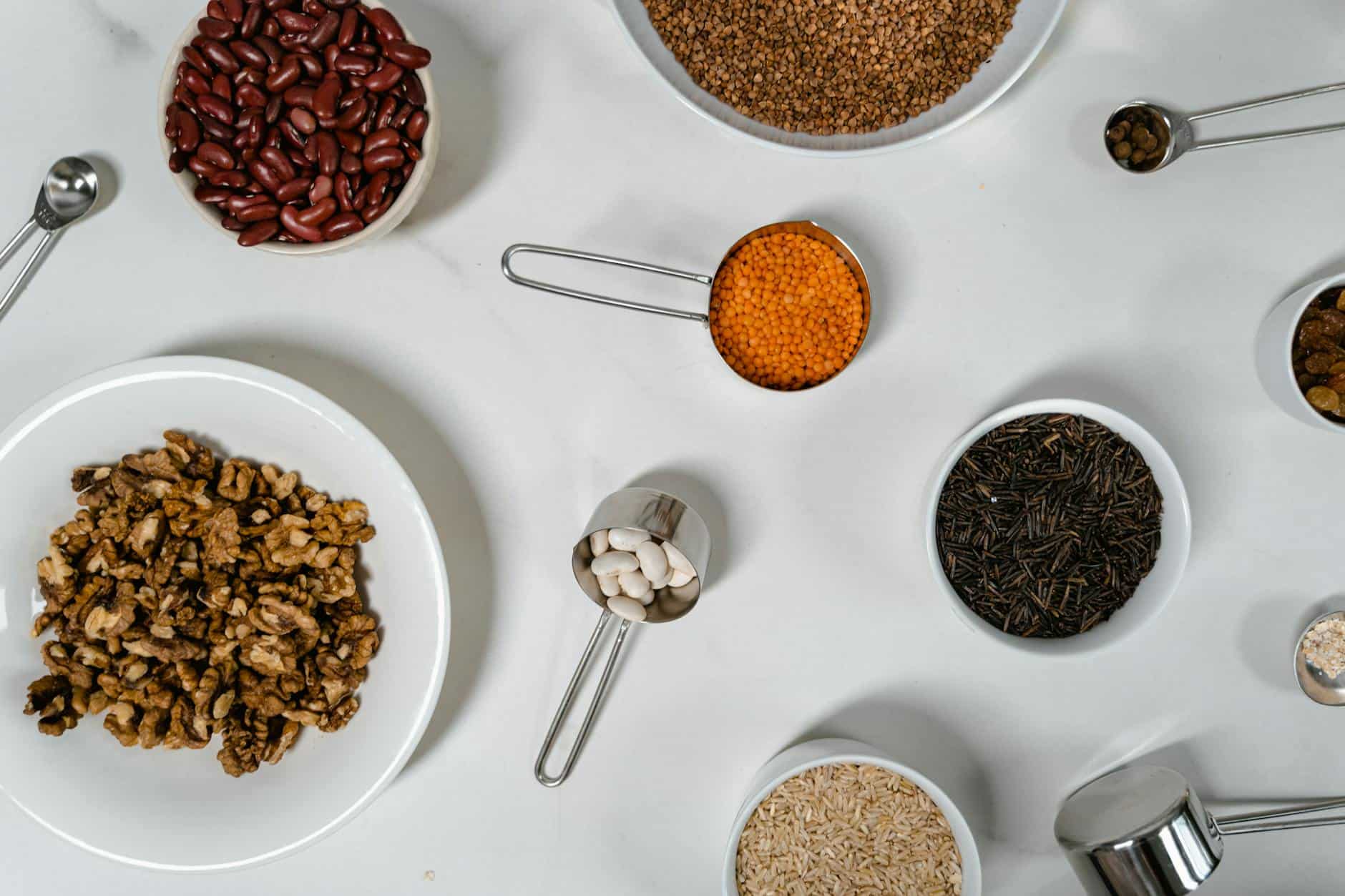
How Much Protein Do You Actually Need?
Protein needs are far less dramatic than headlines suggest. For most people, the question isn't how to get enough protein, but why we've been taught to worry about it so much.
When you zoom out and look at established nutrition science, protein requirements are modest, flexible, and easily met with a varied plant-based diet, no calculators or supplements required.
General population
For healthy adults, the baseline recommendation is well established:
- 0.8 g of protein per kg of body weight per day (U.S. RDA)
- 0.66 g/kg/day average requirement, with ~0.83 g/kg/day covering nearly all adults (WHO/FAO/UNU)
In practical terms, that means:
- A 60 kg (132 lb) adult → ~48 g protein/day
- A 70 kg (154 lb) adult → ~56 g protein/day
These amounts are routinely met by people eating normal, calorie-adequate diets-including vegans and vegetarians-without planning around protein at all.
Active people & athletes
Athletes do need more total protein, but not because plant protein is "inferior." The increase is primarily driven by higher calorie needs, not a radically different protein ratio.
Most evidence-based ranges fall here:
- 1.0-1.2 g/kg/day for recreationally active people
- 1.2-2.0 g/kg/day for endurance or strength athletes, depending on training load
Crucially, athletes usually meet these targets simply by eating more food overall. Whole plant foods naturally contain protein at roughly 12-15% of total calories, which scales automatically with increased energy intake. In other words: eat enough to fuel training, and protein tends to take care of itself.
Older adults
As we age, maintaining muscle mass becomes more important. Some research suggests older adults may benefit from slightly higher protein intakes to support muscle retention and recovery.
Commonly suggested ranges:
- 1.0-1.2 g/kg/day for healthy older adults
- Higher end during illness, recovery, or reduced appetite
This doesn't require protein isolates or animal foods-just consistent meals with legumes, grains, soy foods, nuts, seeds, and vegetables.
Protein needs at a glance
| Population group | Protein (g/kg/day) |
|---|---|
| General adults | 0.66–0.83 |
| Recreationally active | 1.0–1.2 |
| Endurance / strength athletes | 1.2–2.0 |
| Older adults | 1.0–1.2 |
Calories vs. protein: the missing context
Protein deficiency is rare in industrialized countries and almost never occurs in isolation. When it does appear, it's typically linked to overall calorie deficiency, not a lack of protein-rich foods. Your body can't use protein effectively if it doesn't have enough total energy.
This is why focusing obsessively on protein grams-while under-eating or cutting entire food groups-often creates more problems than it solves. A diet built on adequate calories from whole plant foods naturally supplies sufficient protein alongside fiber, carbohydrates, fats, vitamins, and minerals.
Why true protein deficiency is rare
Large population studies consistently show that:
- Vegans and vegetarians meet or exceed protein requirements
- Most people consume more protein than they need
- Protein deficiency is primarily seen in cases of famine, eating disorders, or severe illness
In everyday life, if you're eating enough food-and that food includes a mix of beans, grains, vegetables, nuts, and seeds, protein is not the weak link.
This section follows Google's people-first content principles by prioritizing clarity, scientific consensus, and real-world relevance over exaggerated claims or unnecessary complexity.

Plant Protein vs Animal Protein
When people compare plant protein to animal protein, they often focus on just one thing: amino acids. But protein doesn't come as a single isolated nutrient in real life-you eat a whole food package. That's where the difference really lives: what else comes with the protein (fiber, saturated fat, cholesterol, antioxidants, sodium, etc.) and what that means for long-term health.
Amino acid quality (PDCAAS explained simply)
PDCAAS (Protein Digestibility Corrected Amino Acid Score) is one method scientists use to estimate protein quality. In plain English, it asks:
- Does this protein contain the essential amino acids we need?
- How well can we digest and use it?
Many animal proteins score high. Some plant proteins also score very high-especially soy and blended plant proteins. Other plant foods may score lower in isolation, often because they're a bit lower in one amino acid (like lysine in some grains) or because fiber and natural plant compounds affect digestion slightly.
But here's the real-world point: you don't eat "isolated amino acid scores"-you eat meals. A varied plant-based pattern (legumes + grains + nuts/seeds + vegetables across the day) comfortably covers essential amino acids without you needing to "pair perfectly" at every meal.
Fiber, cholesterol, inflammation
This is where plant protein often has a practical edge:
- Fiber: Plant protein foods (beans, lentils, whole grains, nuts, seeds) usually bring fiber, which supports gut health and fullness-animal foods contain zero fiber.
- Cholesterol: Whole plant foods contain no dietary cholesterol. Many animal protein sources do.
- Inflammation & overall nutrient density: Many plant protein foods also deliver antioxidants, polyphenols, potassium, and magnesium-nutrients commonly associated with healthier dietary patterns overall.
None of this means animal foods are automatically "bad," but it does explain why switching some servings from animal protein to plant protein is often recommended as a simple dietary upgrade.
Long-term health outcomes
Most long-term health outcomes come down to diet pattern, not one ingredient. In population research, dietary patterns higher in legumes, whole grains, nuts, seeds, and vegetables are consistently associated with better cardiometabolic markers and lower chronic disease risk overall. Meanwhile, high intakes of processed meats are widely associated with worse outcomes in large studies. The most helpful takeaway for readers: you don't have to go all-or-nothing-replacing some animal protein meals with plant protein meals can meaningfully shift the overall nutrient profile of your diet.
Plant vs animal protein: quick comparison
| Category | Plant protein foods (beans, lentils, tofu, nuts, seeds, whole grains) | Animal protein foods (meat, poultry, fish, eggs, dairy) |
|---|---|---|
| Amino acids | All essential amino acids are achievable with variety; some plants are “complete” on their own (e.g., soy, quinoa) | Usually “complete” per serving |
| PDCAAS / quality scores | Varies by source; improves in mixed diets and blends | Often high |
| Fiber | Yes (often high) | No |
| Cholesterol | None in whole plants | Often present |
| Saturated fat | Often low (varies by food) | Varies; can be high in some meats/dairy |
| “Food package” | Often includes vitamins, minerals, phytonutrients | Often includes B12, heme iron (meat), calcium (dairy), but may also include more saturated fat depending on choice |
| Practical meal building | Easy: legumes + grains + veg is a complete, affordable template | Easy: protein + sides, but less fiber unless added |
The Best Whole-Food Sources of Plant Protein
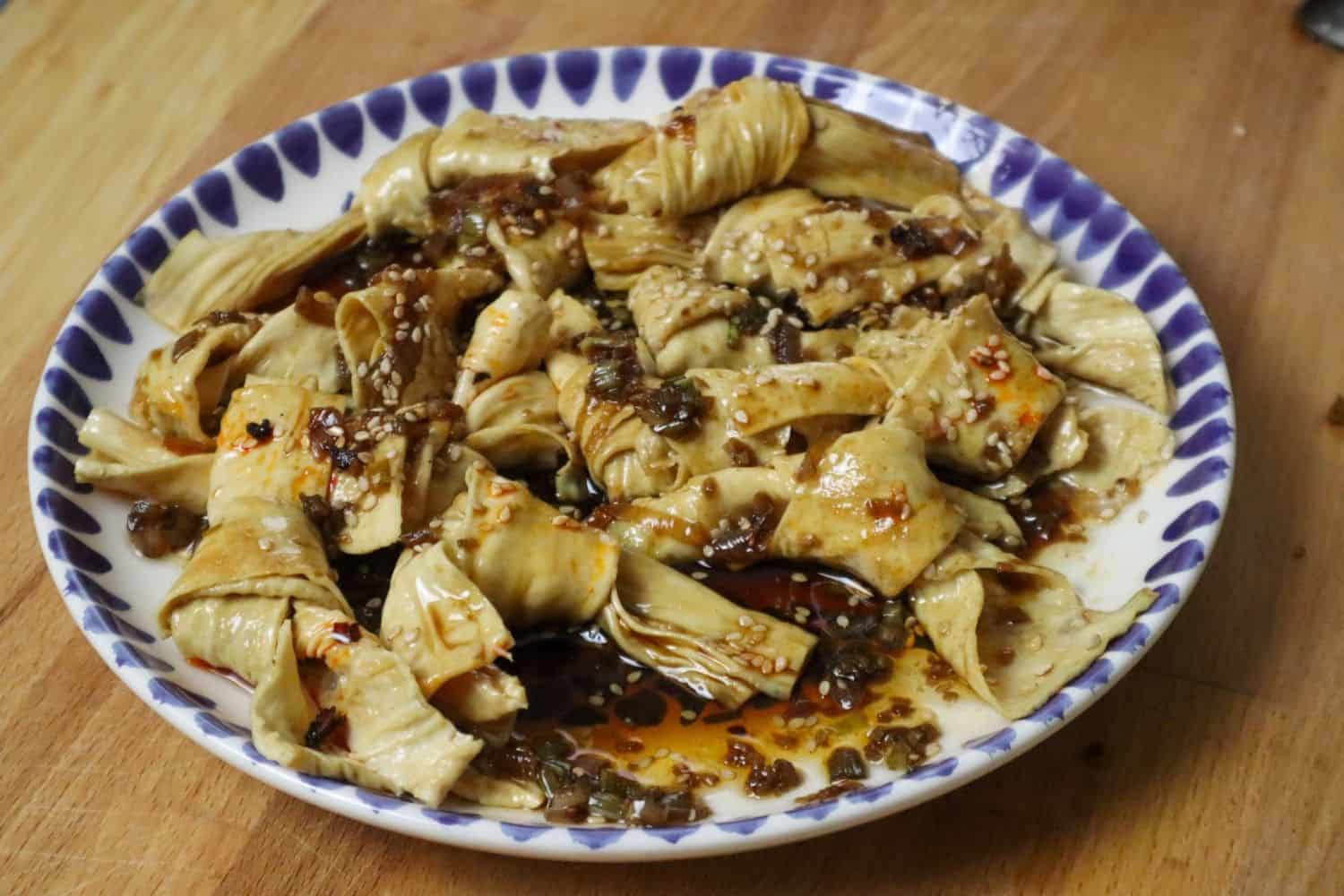
If you want plant protein that's affordable, satisfying, and actually good for you long-term, focus on whole foods first. They don't just bring protein, they bring the "extras" that matter (fiber, minerals, slow carbs, healthy fats), which is why a simple plant-based pattern can work so well.
The easiest way to think about it: build meals around legumes + grains, then layer in vegetables and a little fat for satiety.
Below are the most reliable whole-food sources-plus realistic protein-per-serving ranges to help you picture what "enough" looks like.
Legumes (beans, lentils, chickpeas)
Legumes are the plant-protein backbone: high protein, high fiber, budget-friendly.
- Cooked lentils (1 cup): ~18 g protein
- Cooked black beans (1 cup): ~16 g
- Cooked chickpeas (1 cup): ~14-15 g
How to use them:
- Lentil soup, dal, chickpea curry, bean chili, hummus, white beans with greens.
- Cultural combos that just work:
- Rice + beans (Caribbean, Latin America)
- Lentils + bread/flatbread (Middle East, Mediterranean)
Soy foods (tofu, tempeh, edamame)
Soy foods are among the most protein-dense whole plant foods and are naturally strong on essential amino acids.
- Tofu, cooked (1 cup): ~22 g protein
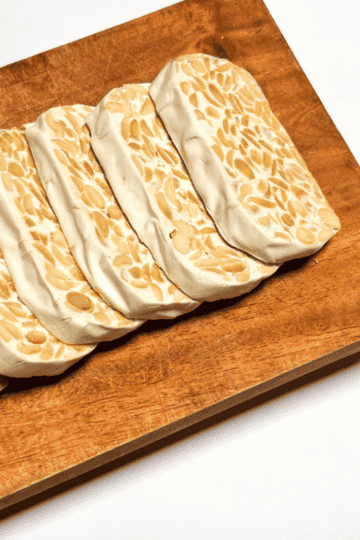
- Tempeh, cooked (½ cup): ~18 g
- Edamame (1 cup): ~18 g
How to use them:
- Tofu stir-fries, baked tofu bowls, tempeh "bacon" crumbles, edamame in salads and grain bowls.
- Tip: tofu is a sponge-marinade + heat = flavor.
Grains (rice, wheat, oats)
Grains aren't "just carbs." They contribute meaningful protein-especially when they're whole grains-and they pair naturally with legumes.
- Whole wheat pasta, cooked (1 cup): ~7-8 g protein
- Quinoa, cooked (1 cup): ~8 g
- Oats, cooked (1 cup): ~5-6 g
- Brown rice, cooked (1 cup): ~5 g
Why grains matter:
- They help you hit your calorie needs (which makes hitting protein easier).
- Pairing them with legumes is a classic, globally common pattern (think: rice + beans, lentil stew + bread, chickpeas + couscous).
Nuts & seeds
Nuts and seeds aren't usually the main protein "base" (they're calorie-dense), but they add protein plus healthy fats and minerals.
- Almonds (1 oz / small handful): ~6 g protein
- Peanut butter (2 Tbsp): ~7-8 g
- Hemp seeds (3 Tbsp): ~10 g (varies by brand)
How to use them:
- Stir into oatmeal, blend into sauces, sprinkle on salads, add to snack plates.
Vegetables (yes, really)
Vegetables aren't the highest-protein foods by weight, but they contribute more than people assume-especially when you're eating generous portions.
- Broccoli (about 1 cup cooked): ~4 g protein
- Potatoes (1 medium): ~4 g
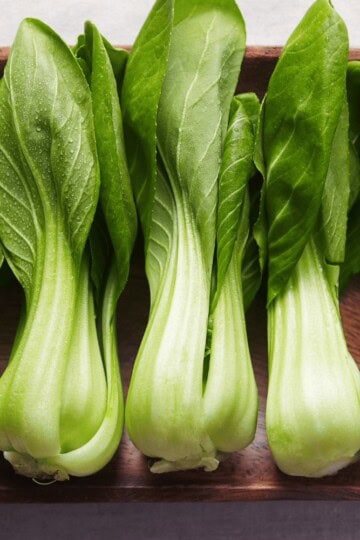
- Leafy greens, peas, and mushrooms also add up across meals.
The point isn't to "live on broccoli", it's that protein is everywhere in a whole-food plant diet, and the totals stack quickly when your meals are built from legumes + grains + vegetables.
Bottom line: If you consistently eat meals built around beans/lentils/chickpeas + grains, and rotate in tofu/tempeh/edamame, you'll cover protein needs without gimmicks, exactly the kind of simple, people-first approach Google encourages for helpful health content.
What About Protein Powders?
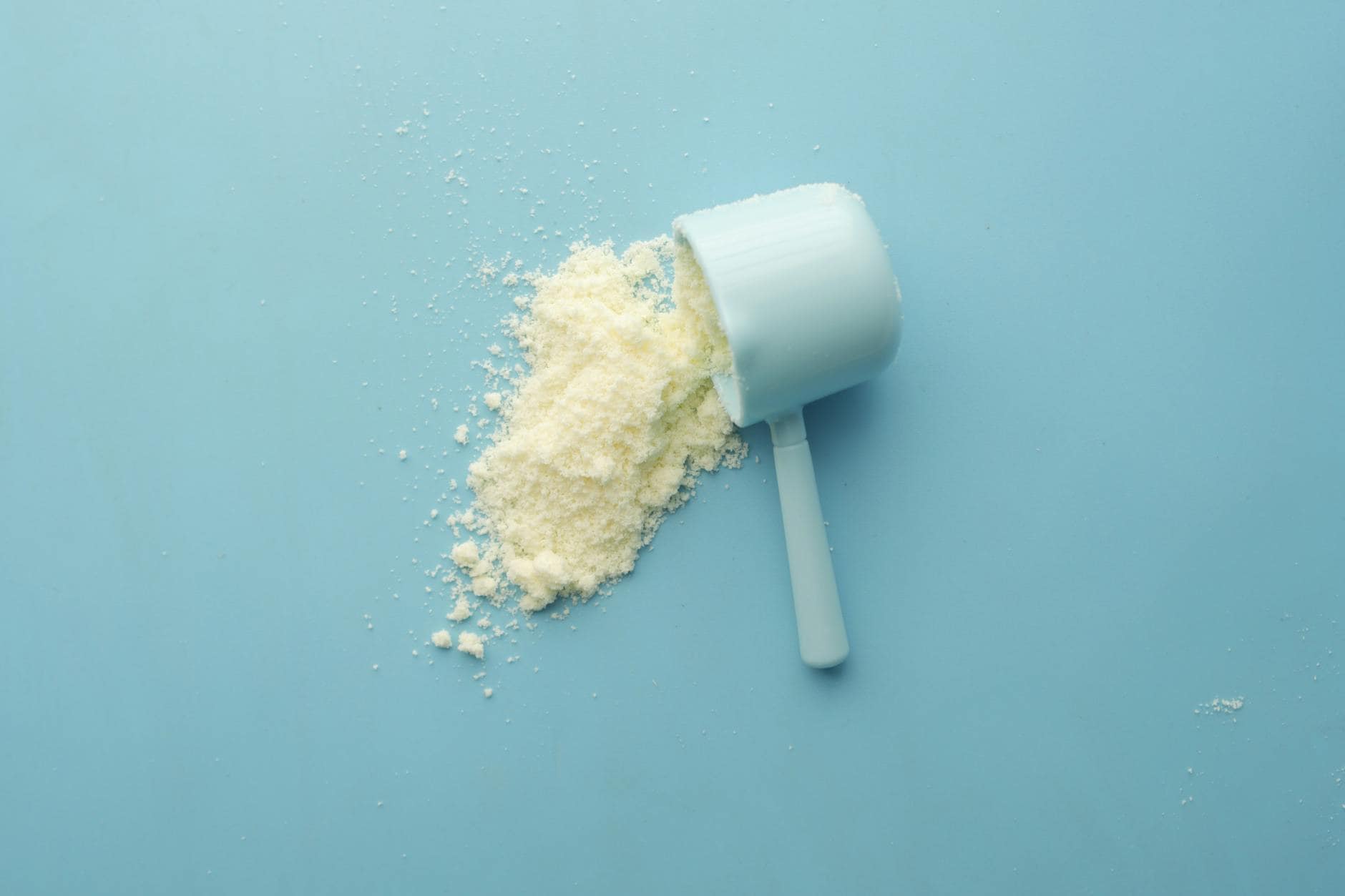
Protein powders can be useful, but they're not required to thrive on a plant-based diet. Most people can meet protein needs through whole foods (beans, lentils, tofu, tempeh, grains, nuts, seeds) without tracking or supplementing. A powder is best thought of as a convenience tool, not a nutritional "upgrade."
Because protein is a health-related topic, it's worth keeping this section practical, neutral, and evidence-aligned focused on what helps readers make a clear decision (not what sells).
When they help
Protein powders can be genuinely helpful in a few common situations:
- You have higher needs (hard training blocks, muscle gain goals, older adults with lower appetite).
- You're short on time and need a quick breakfast or post-workout option.
- You struggle to eat enough calories (busy schedules, low appetite, travel).
- You're on a temporary calorie deficit and want to preserve lean mass (some strength athletes/bodybuilders do this).
- You have dietary limitations that reduce your usual protein staples (e.g., you don't tolerate legumes well-at least for now).
In these cases, adding a scoop to a smoothie, oats, or yogurt can make hitting your daily target easier, without changing your whole routine.
When they're unnecessary
Protein powders are usually unnecessary when:
- You're eating regular, calorie-adequate meals built around legumes + grains + vegetables.
- You're already consistently including tofu/tempeh/beans/lentils.
- Your main goal is general health, energy, and steady eating habits,not maximizing macros.
They're also not a replacement for the benefits of whole foods. A powder won't give you the same fiber, chewing satisfaction, and meal structure you get from actual food. If your diet is already balanced, a protein powder often just becomes an extra processed item you don't need.
How to choose one
If you do want one, here's a simple, label-first checklist:
- Protein per serving: Aim for roughly 20-25 g per serving (a common effective range).
- Short ingredient list: The fewer "extras," the easier it is to assess.
- Protein source(s): Pea, soy, hemp, pumpkin seed, rice, or blends. Blends can help round out amino acids, but you don't need to overthink it.
- Sweeteners: If you're sensitive to the aftertaste or want fewer additives, choose options without artificial sweeteners.
- Digestibility: If you tend to bloat, start with smaller portions and look for simpler formulas (some people do better with certain protein sources than others).
- Third-party testing: If it's important to you (especially for athletes), look for independent quality testing statements on the label.
If you want a focused roundup here are the best vegan protein powders without artificial sweeteners.
A Simple Way to Eat Enough Protein (Without Tracking)
If there's one thing decades of nutrition research, and real-life eating, agree on, it's this: you don't need to count grams to meet your protein needs.
People were eating adequate plant-based protein long before apps, labels, or protein bars existed. The simplest approach is also the most reliable.
The framework: build every meal the same way
Think in building blocks, not macros:
Every meal = grain + legume + vegetables + fat
That's it. No spreadsheets. No "perfect" amino acid math.
- Grain → energy + baseline protein
(rice, oats, bread, pasta, barley, potatoes) - Legume → protein anchor
(beans, lentils, chickpeas, tofu, tempeh) - Vegetables → fiber, micronutrients, and bonus protein
- Fat → satiety and nutrient absorption
(olive oil, nuts, seeds, avocado)
This structure naturally lands most meals in the 12-15% protein-from-calories range, which aligns with population-level protein needs for the vast majority of adults, without trying.
Vegan like it's the 90s" logic
Before protein powders, fortified products, or macro culture, plant-based eating looked a lot like this:
- Beans and rice
- Lentils and bread
- Potatoes with vegetables and a drizzle of oil
- Tofu with grains and greens
These combinations show up across traditional food cultures for a reason: they're filling, affordable, nutritionally complete, and sustainable long term. You don't need novelty or constant replacement products, just repetition and variety across the week.
Importantly, you don't have to combine foods "perfectly" at every meal. Your body maintains amino acid pools and assembles what it needs over time. A varied week of meals does the job.
Protein Isn't the Problem: Simplicity Is the Solution
If plant-based eating has ever made you feel like you need a calculator, a supplement stack, or a "perfect" meal plan to be healthy, take a breath.
For most people, protein isn't the hard part. The hard part is the noise: marketing, myths, and the idea that one nutrient needs constant micromanaging.
Here's what the evidence and real-life eating patterns point to again and again: when you eat enough food, and that food is mostly whole plants, protein tends to take care of itself.
Beans, lentils, chickpeas, tofu, whole grains, nuts, seeds, and vegetables all contribute, often more than you think. You don't need to "combine" proteins perfectly at each meal, and you don't need powders unless they genuinely make your life easier.
So if you want one simple takeaway, make it this: Build meals around grain + legume + vegetables + a little fat. Repeat. Rotate. Relax.
FAQs (SERP Expansion)
Can you get too much plant protein?
In theory, yes, but it's rare with whole foods. Overconsumption is mainly a concern with heavy use of protein powders, not beans, grains, and vegetables.
Is soy safe?
Yes. Whole soy foods (tofu, tempeh, edamame, soy milk) are safe for most people and have been eaten for centuries. Phytoestrogens are not the same as human estrogen.
Is plant protein less absorbable?
Slightly per gram, sometimes, but it doesn't matter in real life. When calories and variety are adequate, people easily meet protein needs.
Do kids need special planning?
No special tracking, just enough food and variety. Regular meals with legumes or soy, grains, vegetables, and healthy fats support normal growth.
Leave a Reply